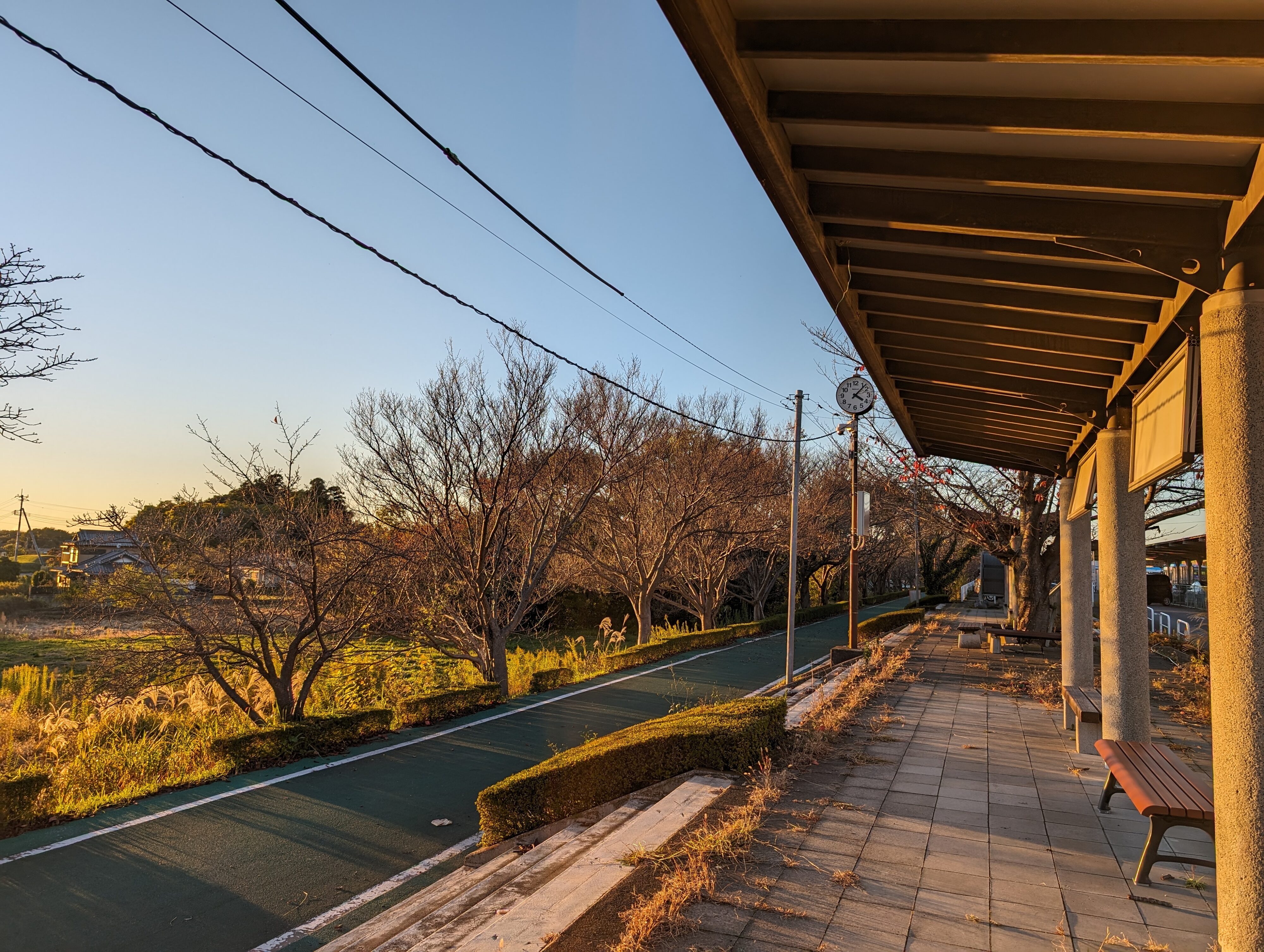
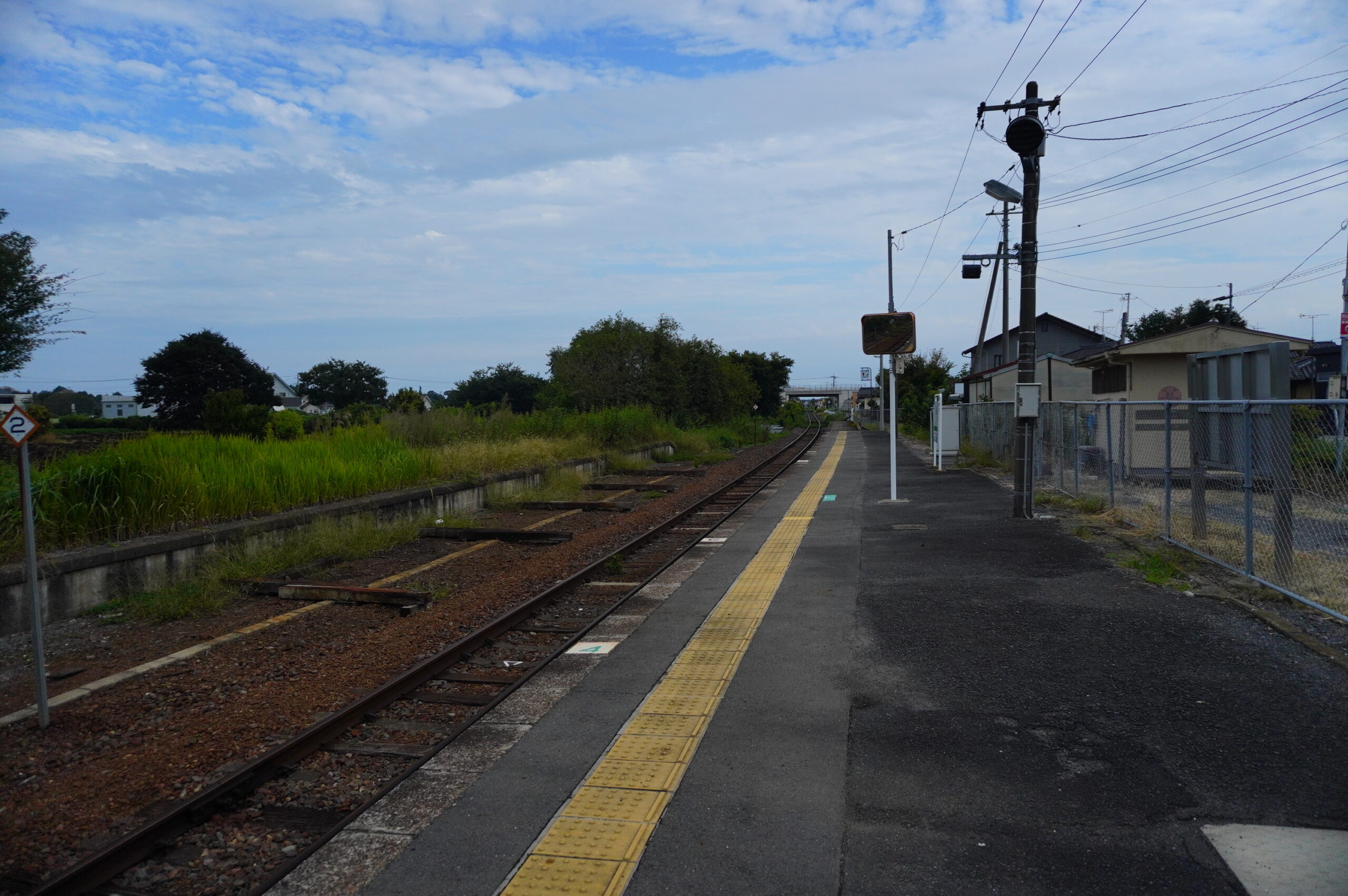
A station on the Suigun Line located in Shimo-Oga, Naka City, Ibaraki Prefecture.
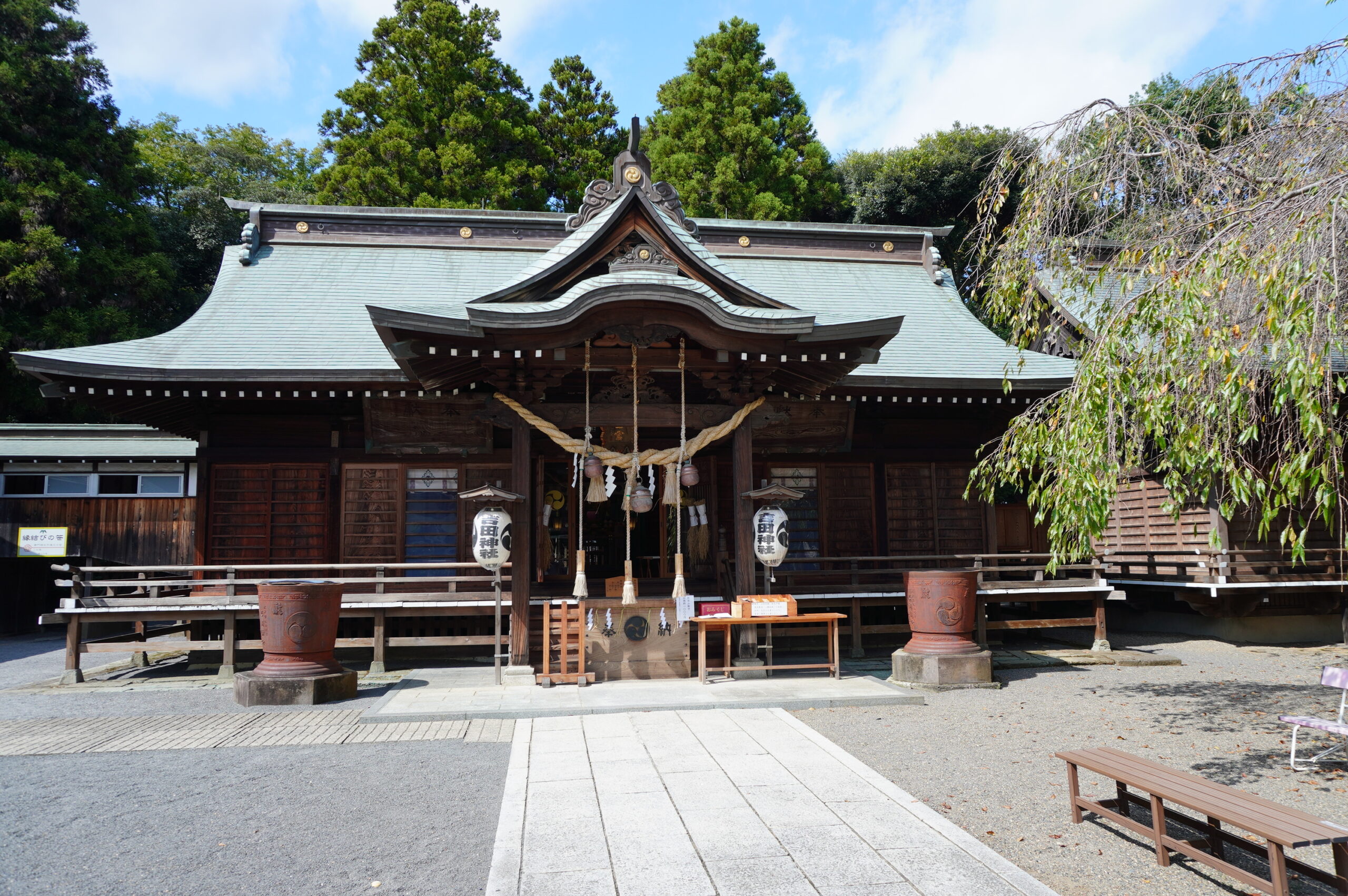
In 1918, it was placed as a temporary stop to handle visitors to Shizu Shrine.
The following year, in 1919, it opened as a stop for the Mito Railway.
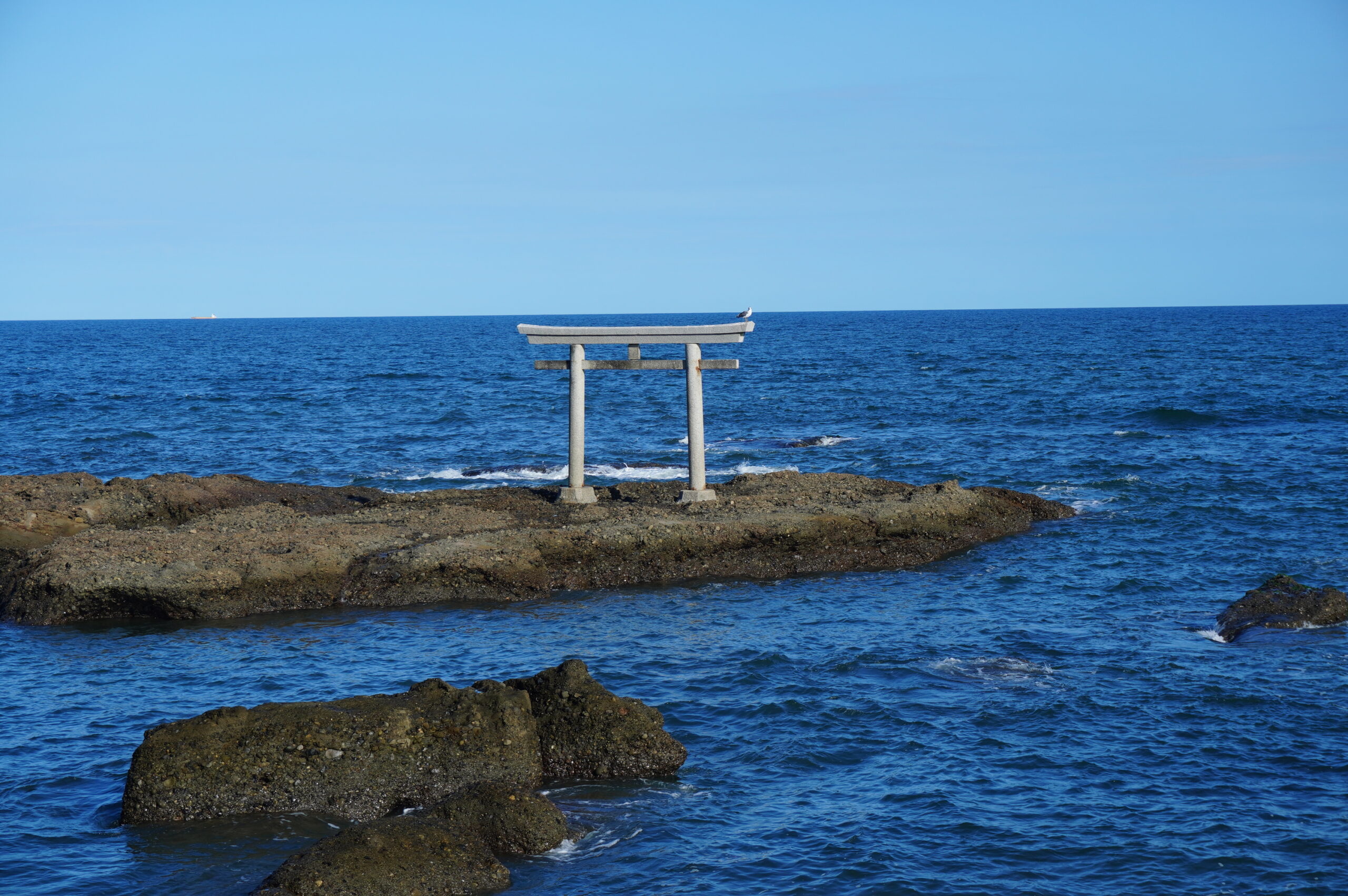
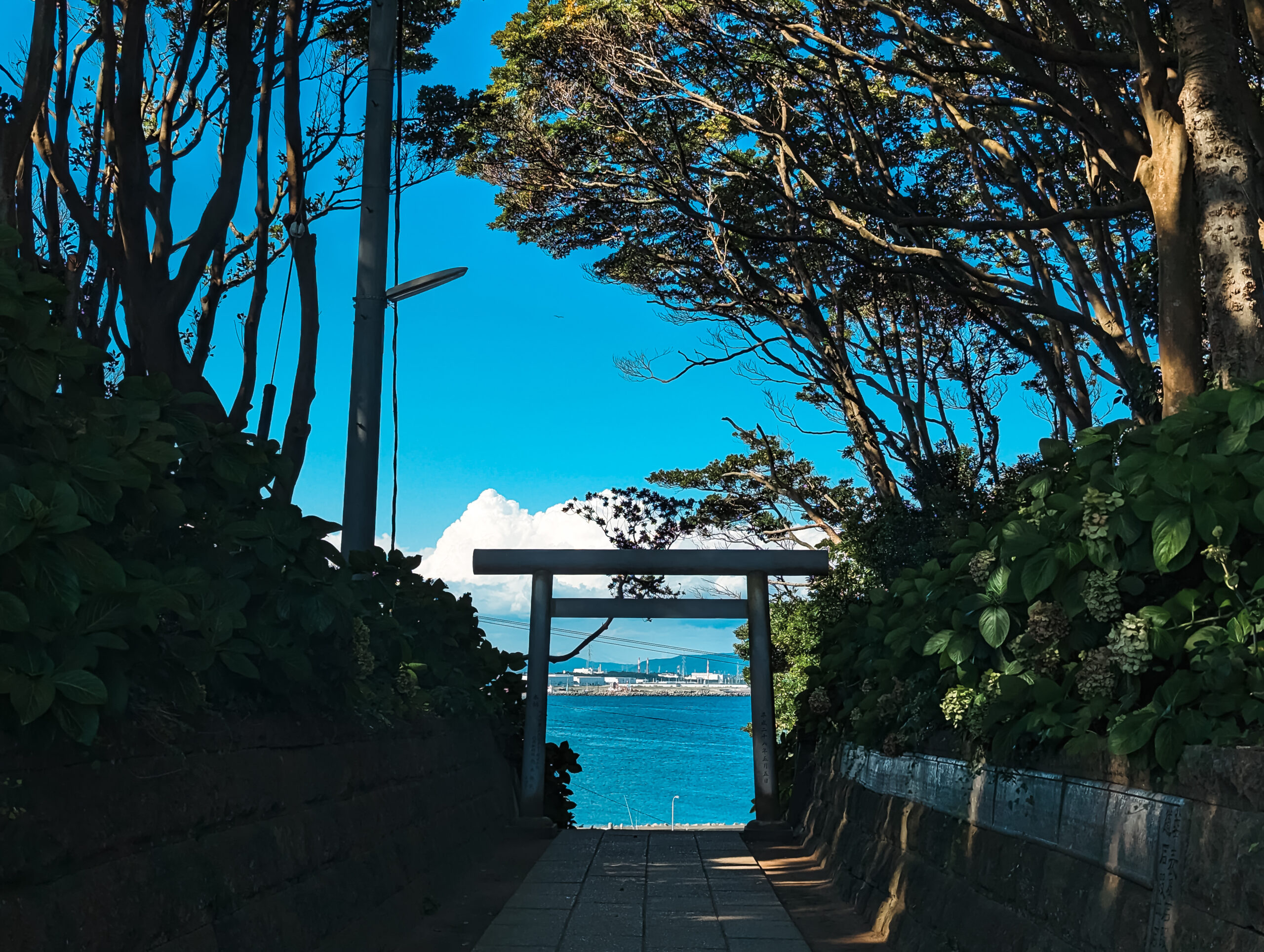
This is one of the Oarai Isozaki Shrines.
It is located on the beach where Omunachi and Sukunahikona are said to have descended to earth.
The beach is called "Kamiiso" and is a sacred place where people are not allowed to set foot.
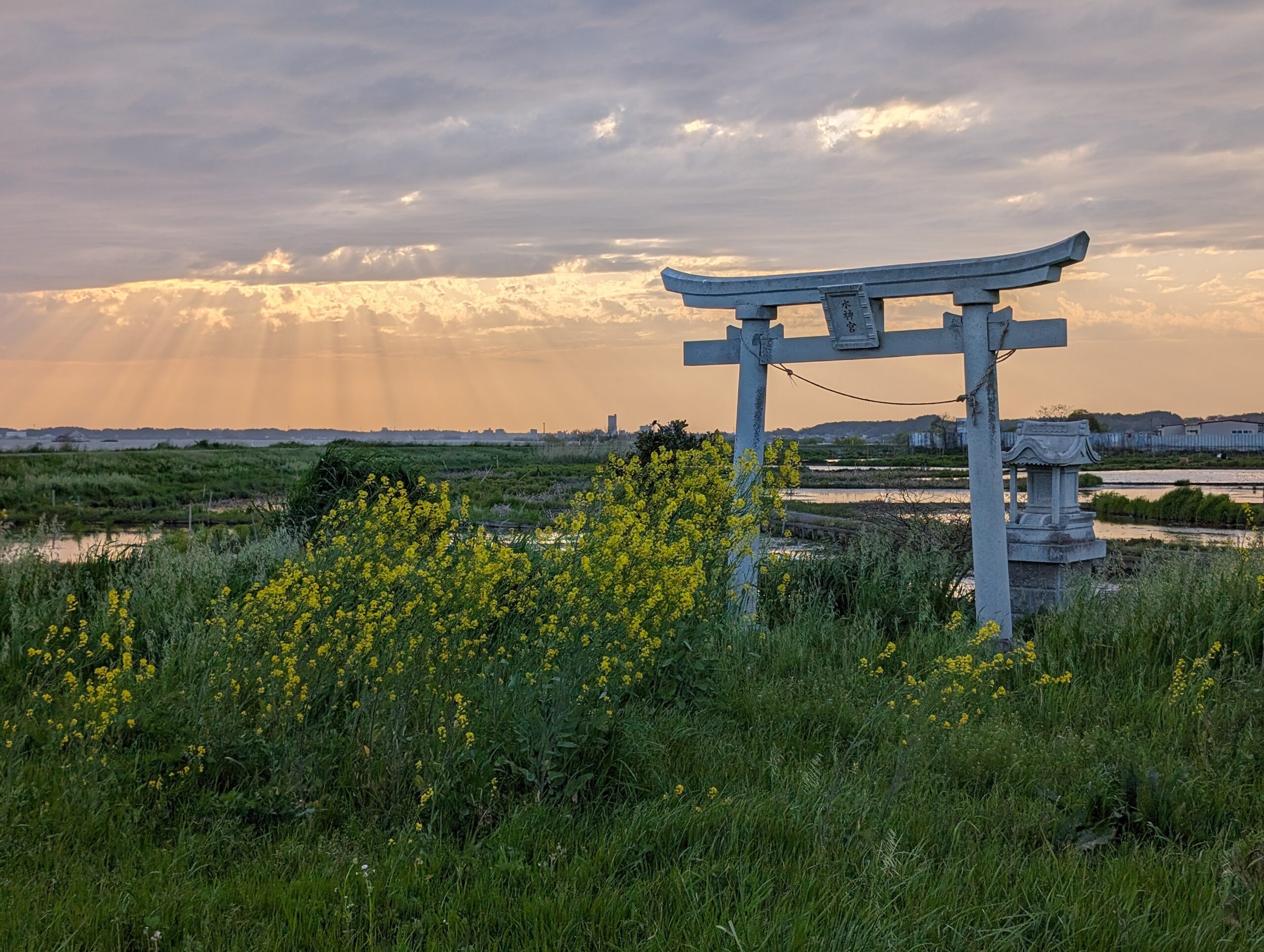
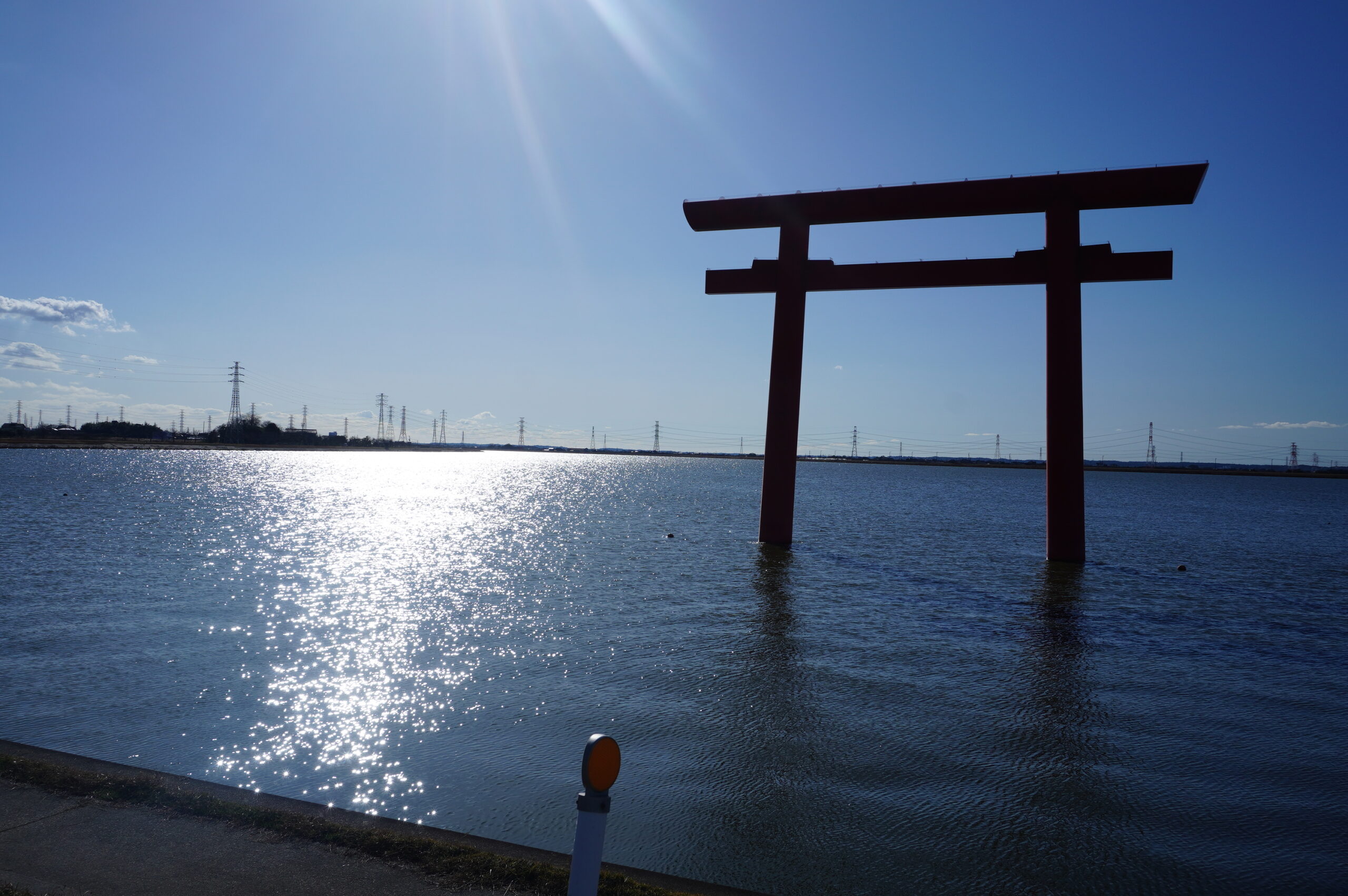
Lake Kasumigaura, Shuijin-gu.
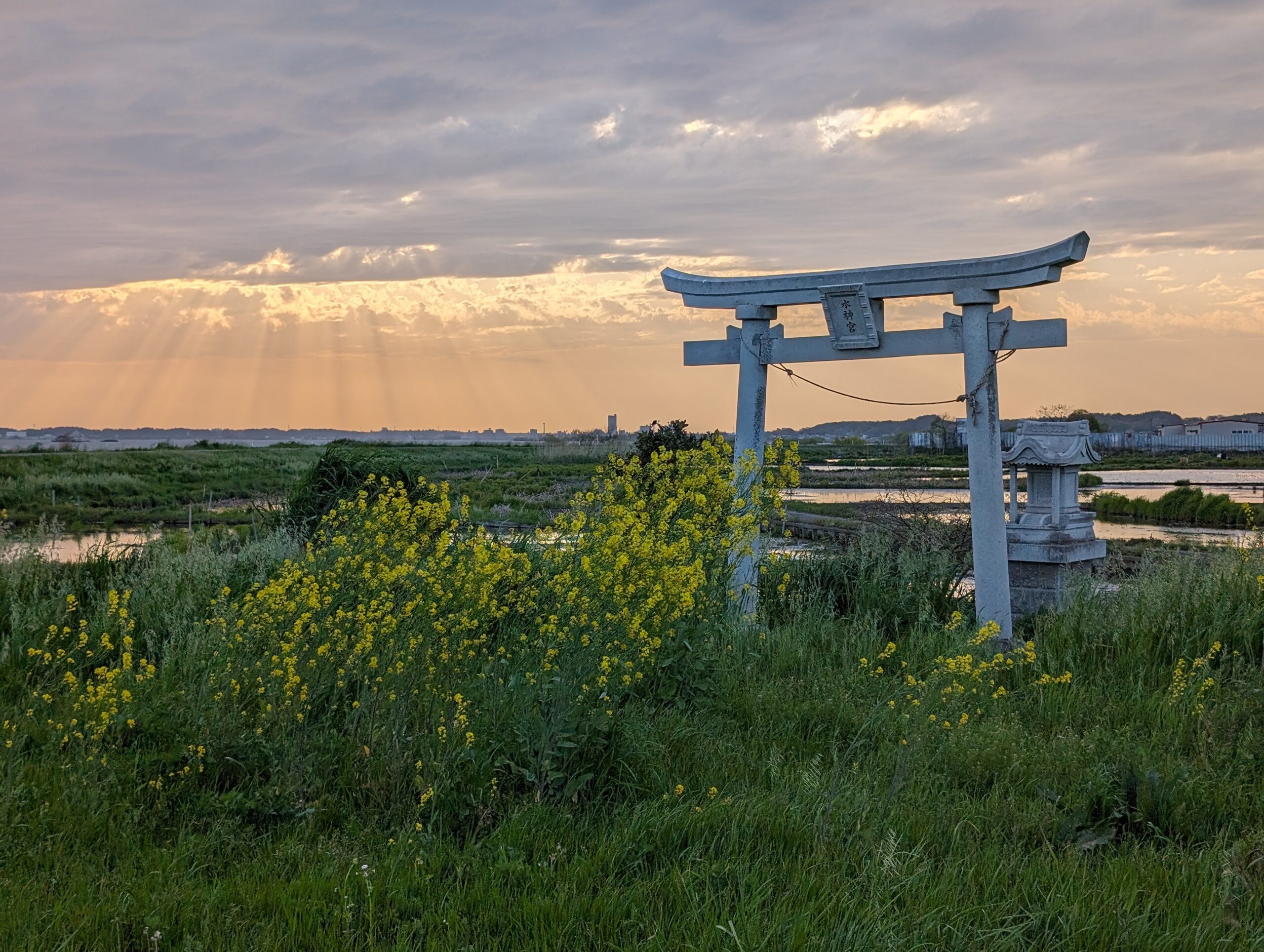
霞ヶ浦周辺に広がる水田と蓮田を、そっと見守る水神宮。
水害が多かった霞ヶ浦周辺では、古くからの信仰の対象として数々の水神宮が奉られている。
The Suijingu Shrine keeps an eye on the rice paddies and lotus fields in the Kasumigaura area.
In the Kasumigaura area, which has been flooded a lot, a number of Suijingu shrines have been dedicated as objects of faith since ancient times.
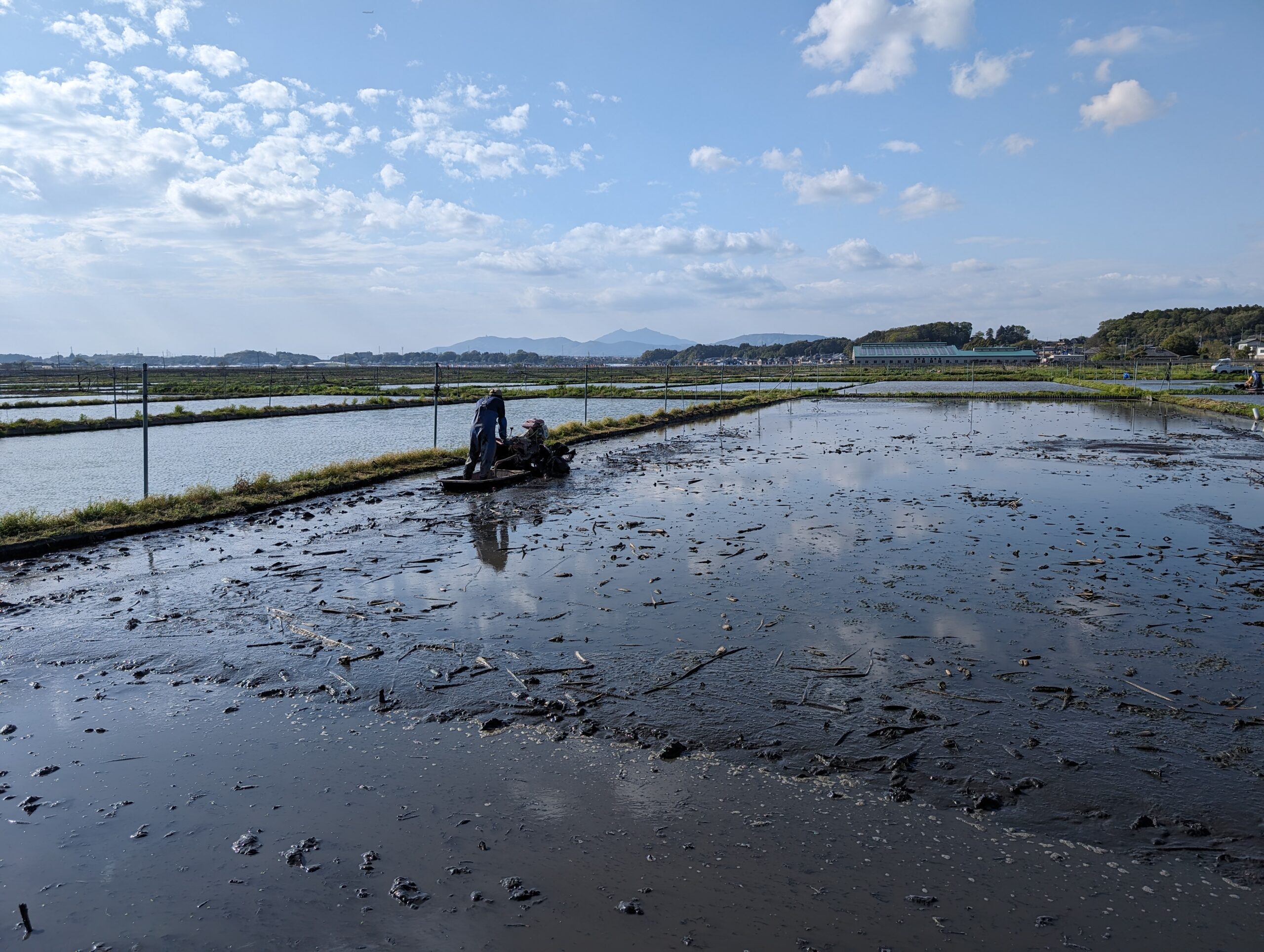
Lotus root field overlooking Mt. Tsukuba.
4月、5月、霞ヶ浦湖畔ではレンコンの植え付けが始まる。
広々とした蓮田に植えられたレンコンは、7月には青々と茂り、白や赤い蓮の花を咲かせる。
In April and May, lotus root planting begins on the shores of Lake Kasumigaura.
The lotus roots planted in the spacious lotus fields become lush and lush in July, blooming with white and red lotus flowers.
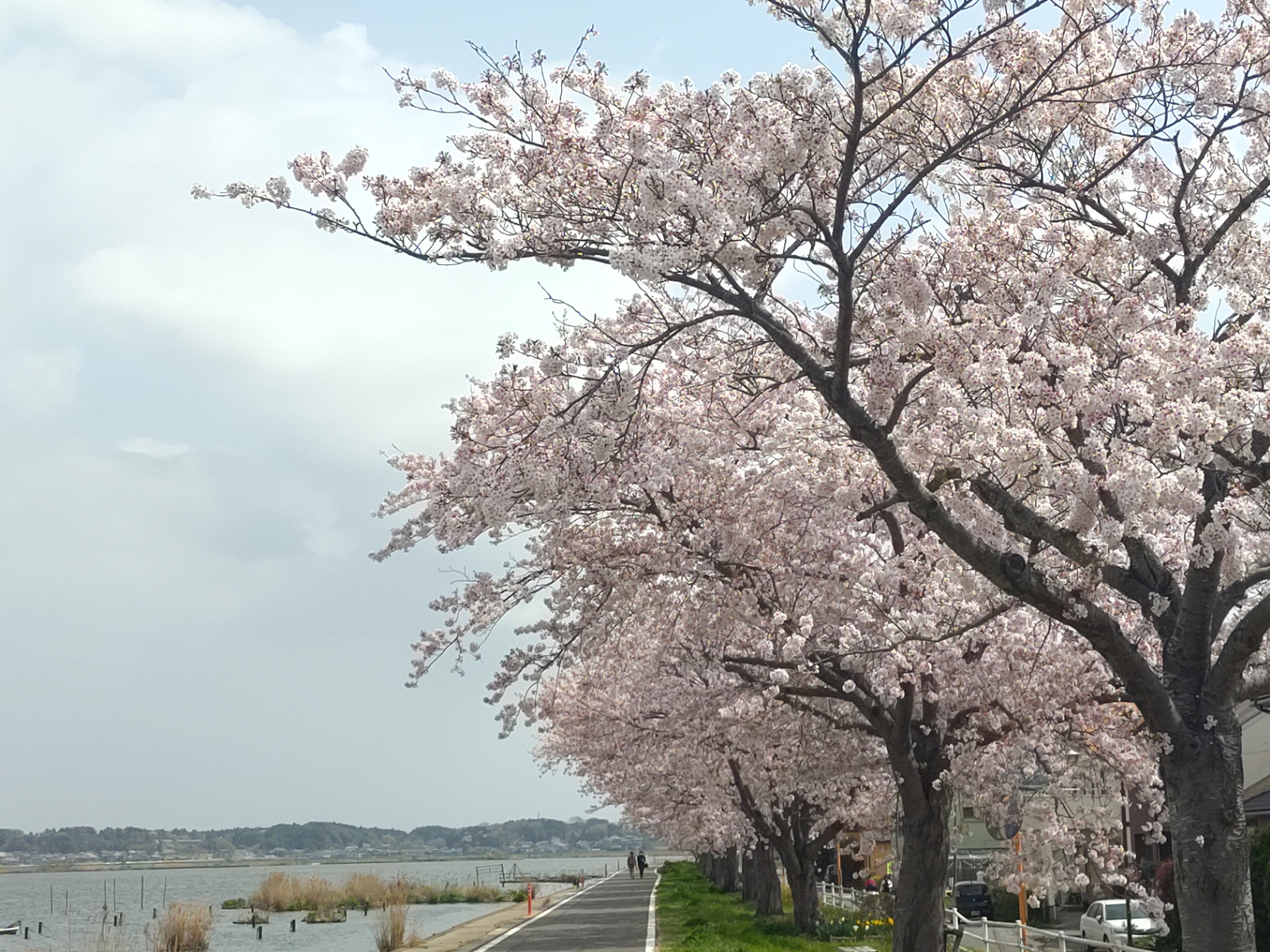
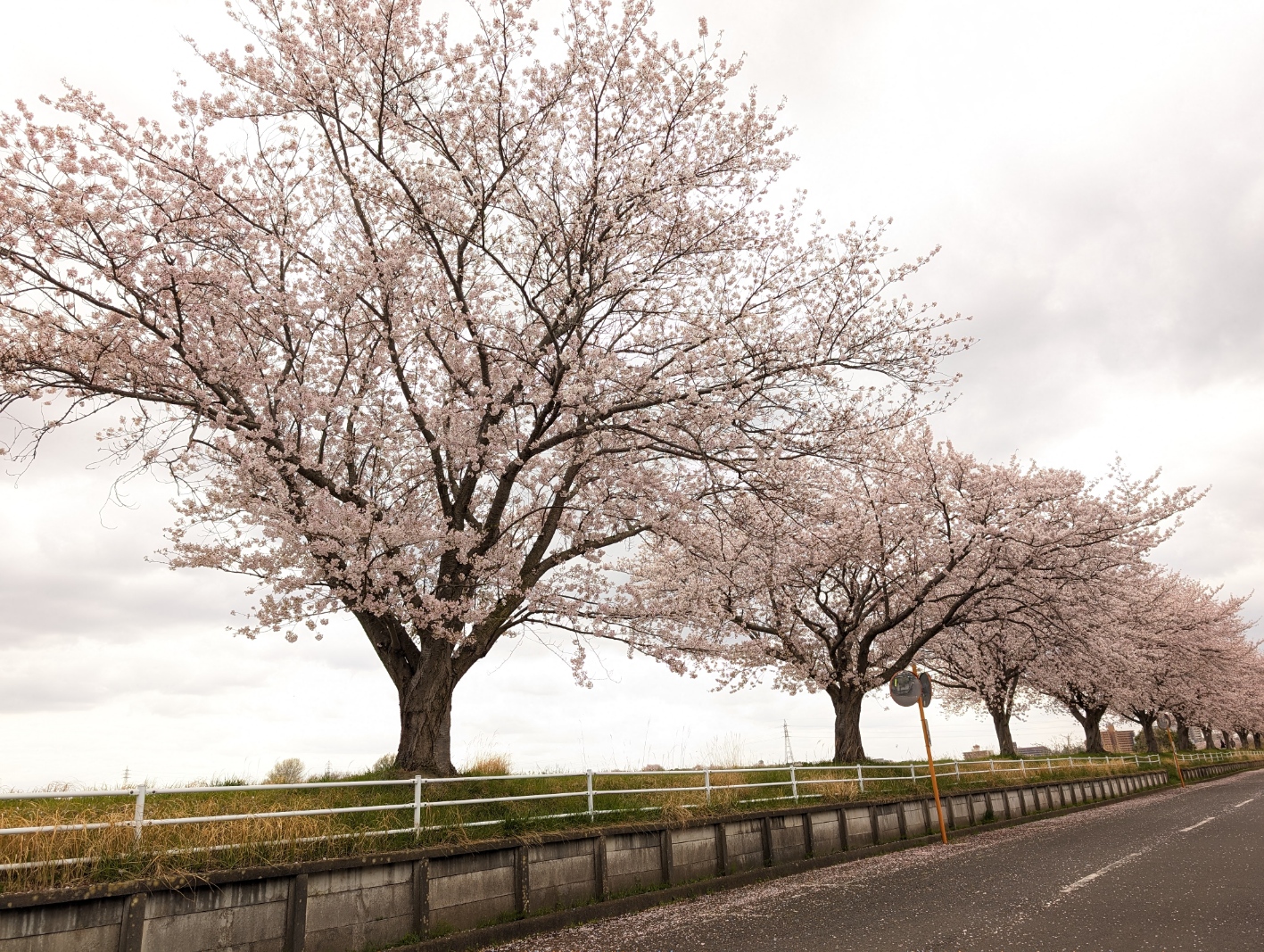
Cherry blossom trees in "Minato-Machi".
土浦駅東口にほど近い「港町」地区。霞ヶ浦に注ぐ桜川に沿って、湖に突き出した半島状の住宅地は、50年ほど前に開発された。
地元の散歩道として親しまれる護岸には、町と共に育った桜並木が並んでいる。
The "Port Town" district is located near the east exit of Tsuchiura Station. This peninsula-shaped residential area juts out into the lake along the Sakura River, which flows into Kasumigaura, and was developed about 50 years ago.
On the seawall, which is a popular walking path for local residents, you'll find rows of cherry trees that have grown up together with the town.